
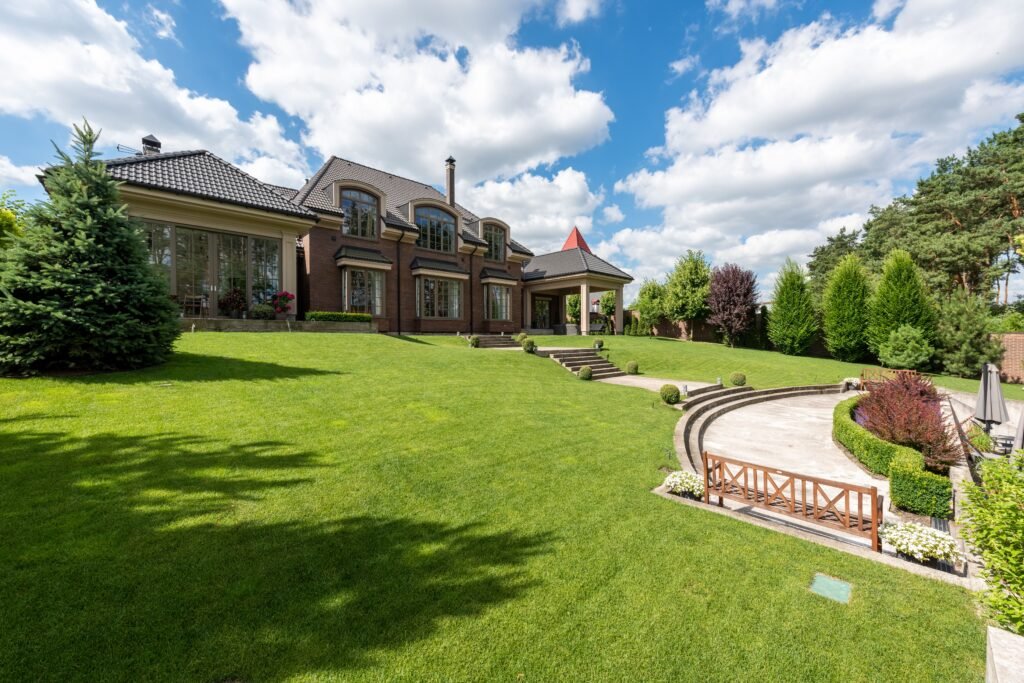
Abuja has consistently established itself as one of Nigeria’s most attractive real estate markets. As the nation’s capital, the city offers a unique combination of political importance, planned urban development, expanding infrastructure, and increasing housing demand.
For investors, homeowners, and developers alike, Abuja presents opportunities that few other cities in Nigeria can match. From luxury residential districts to rapidly developing investment corridors, the city continues to attract significant attention from both local and international buyers.
But what exactly makes Abuja such a strong real estate market?
A Planned City With Long-Term Growth Potential
Unlike many rapidly expanding cities, Abuja was designed with a structured master plan.
The city’s organized layout, zoning regulations, road networks, and infrastructure planning create a more predictable environment for property development and investment. This structured growth model has helped Abuja maintain strong property values while supporting long-term urban expansion.
For investors, predictability is valuable because it reduces uncertainty and helps support sustainable appreciation over time.
Infrastructure Development Continues to Drive Growth
One of the biggest factors influencing Abuja’s property market is infrastructure development.
Major investments in:
Road expansion
Interchanges
Drainage systems
Utility networks
Airport corridor development
Urban transportation
have transformed many previously overlooked districts into highly attractive investment locations. Areas such as Guzape, Katampe, Jahi, Lugbe, Karsana, and Idu have experienced increasing demand as infrastructure improvements enhance accessibility and livability.
In real estate, infrastructure often creates value before the wider market fully recognizes it.
Strong Population Growth Supports Housing Demand
Abuja continues to attract professionals, government workers, business owners, diplomats, and families seeking better opportunities and quality of life.
As population growth increases, so does the demand for:
Residential housing
Rental properties
Commercial developments
Mixed-use communities
This steady demand helps support occupancy rates, rental income opportunities, and long-term property appreciation.
Premium Districts Continue to Perform Well
Areas such as:
Maitama
Asokoro
Wuse
Garki
remain among Abuja’s most desirable locations.
These districts benefit from excellent infrastructure, proximity to government institutions, diplomatic missions, and premium commercial activity. As a result, they continue to attract both homeowners and investors seeking high-value real estate opportunities.
Properties in these areas often command premium pricing due to limited supply and consistent demand.
Emerging Areas Offer Significant Investment Opportunities
While premium districts remain highly desirable, many investors are now focusing on emerging growth corridors.
Locations such as:
Katampe Extension
Jahi
Lugbe
Idu
Karsana
Karshi
Kuje
are attracting attention due to infrastructure projects, affordability, and future development potential. Early investors often target these locations because they offer opportunities for stronger capital appreciation over time.
Rental Income Opportunities Remain Strong
Abuja’s diverse economy and growing population create a healthy rental market.
Demand comes from:
Government employees
Diplomats
Corporate professionals
Entrepreneurs
International organizations
Students
This broad tenant base helps support rental occupancy across multiple property categories, from apartments and terraces to luxury homes and short-let accommodations.
For investors seeking passive income, rental demand remains one of Abuja’s strongest advantages.
Real Estate Continues to Be a Long-Term Wealth Builder
Property investment is often most successful when approached with a long-term perspective.
Several factors continue to support Abuja’s growth:
Urban expansion
Infrastructure investment
Population growth
Government presence
Increasing private sector activity
Rising housing demand
These fundamentals contribute to a market that many investors view as one of Nigeria’s most resilient and promising.
What Smart Investors Focus On
Successful investors typically evaluate:
Title documentation
Infrastructure quality
Accessibility
Neighborhood growth potential
Rental demand
Future development plans
Rather than chasing short-term trends, they focus on areas with strong fundamentals and sustainable long-term growth prospects.
Final Thoughts
Abuja’s real estate market continues to evolve, creating opportunities for both experienced investors and first-time buyers.